Elevate Recognition: The Modern Classy Certificate Layout
In the world of professional recognition, a certificate is more than just a piece of paper; it is a tangible representation of achievement, gratitude, and brand identity. Whether you are running a corporate training program, acknowledging a volunteer's hard work, or issuing a completion award for a digital course, the visual quality of that document speaks volumes. A poorly designed certificate can feel disposable, but a thoughtfully crafted one creates a sense of pride and permanence. This is where the intersection of layout design and brand strategy becomes crucial. You need a solution that balances aesthetic appeal with functional utility, ensuring that the recipient feels genuinely honored.
The Visual Language of Professionalism
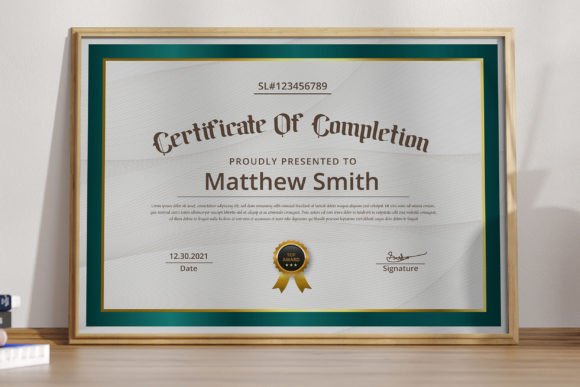
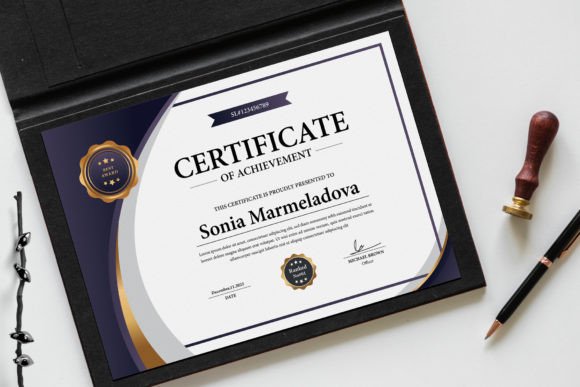
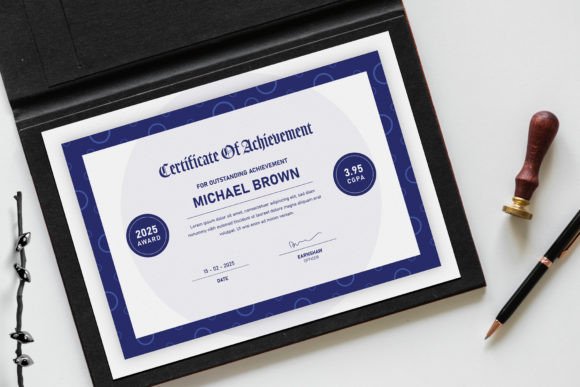
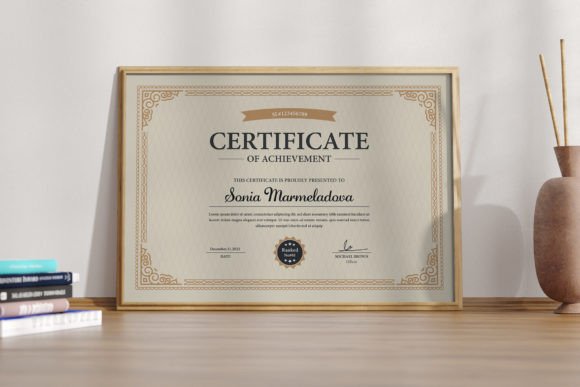
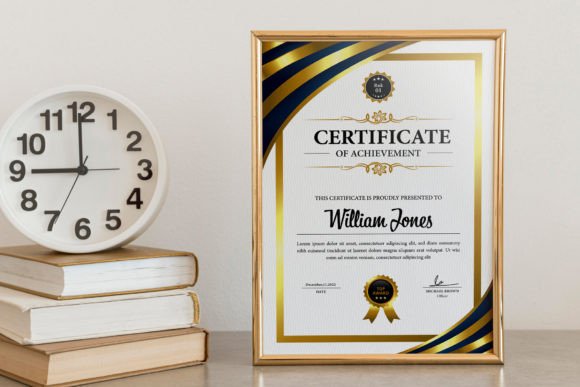
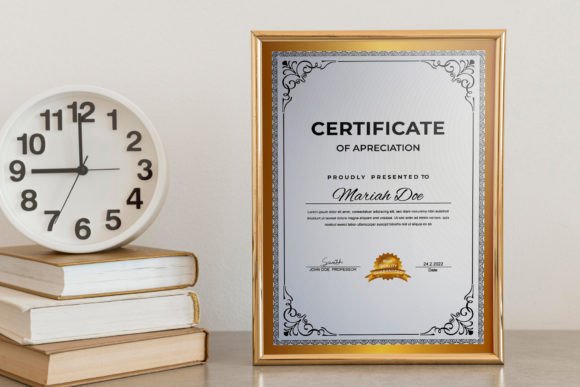
The "Simple Modern Classy" design approach is currently dominating the landscape of professional stationery, and for good reason. This specific Certificate Template Design Layout leverages a minimalist aesthetic to convey authority and elegance. Unlike ornate, Victorian-style certificates that can feel dated or overly busy, a modern layout relies on negative space, clean lines, and strategic typography to guide the viewer’s eye. The visual personality of this template is confident and understated. It avoids the trap of using too many decorative elements, instead focusing on the hierarchy of information. By utilizing a clean layout, the design ensures that the recipient's name and the reason for the award remain the focal points. This style is particularly effective for contemporary brands that want to project an image of efficiency and sophistication.
Typography and Visual Hierarchy
A key component of this design asset is its use of typography. In modern graphic design, the choice of typeface determines the "voice" of the document. This template likely employs a blend of serif font and sans serif font styles to create contrast and improve readability. Serifs often add a touch of tradition and respectability to the headers, while sans serifs are used for the body text to ensure legibility at smaller sizes. When you download a premium font bundle or a template like this, you are paying for this curated balance. The layout dictates the visual hierarchy, ensuring that the viewer reads the information in the intended order: the title, the recipient, the description, and finally, the signatures. This structured approach to modern typography prevents visual clutter and ensures the document looks professional whether it is framed on a wall or stored in a digital portfolio.
Practical Applications and Versatility
One of the greatest strengths of a versatile Certificate Template Design Layout is its adaptability across different industries. For entrepreneurs and small business owners, this template serves as a quick solution for employee of the month awards, client testimonials, or partner recognitions. For educators and course creators, it is an essential tool for validating student progress. The "Simple Modern Classy" style is particularly effective for brand identity because it acts as a neutral canvas. You can easily change the color scheme to match your corporate palette without the design looking broken or unbalanced. This adaptability makes it a valuable addition to any library of design assets.
From Print to Digital
In today's hybrid work environment, recognition often happens both online and offline. This is where the technical specifications of the template come into play. A high-quality template is built for print ready output, typically utilizing a CMYK color scheme to ensure that colors reproduce accurately on paper. However, the design must also look sharp on screens. Whether you are sharing the certificate via email, embedding it in a PDF, or showcasing it on social media graphics, the clean lines of a modern layout ensure it renders well at various resolutions. The inclusion of standard paper sizes means you don't have to waste time resizing documents for different printers or digital frames. This dual-purpose nature is essential for modern marketers and publishers who need to deliver content across multiple channels seamlessly.
Choosing and Customizing Your Template
Selecting the right template involves more than just picking a pretty picture; it requires evaluating the technical build of the file. When looking for a commercial font or layout, compatibility is key. This specific bundle includes EPS, PSD, INDD, and DOCX files. This variety is not just a bonus; it is a necessity for a collaborative workflow. A designer might prefer working in Illustrator or Photoshop to fine-tune vector elements and layers, while an HR manager or office administrator might need the flexibility of MS Word to update names and dates quickly without needing advanced design software.
Evaluating the Technical Build
When you open the files, look for well organized layer structures. In Photoshop or Illustrator, messy layers make editing a nightmare. A professional template separates the background elements, text placeholders, and graphic accents into distinct groups. Furthermore, check the licensing information. Most templates come with links to free font resources, but it is vital to understand the terms of use. If you are using this for a client project or selling the printed certificates, you need to ensure the accompanying fonts are licensed for commercial use. This attention to detail separates amateur designers from professionals. It prevents legal headaches and ensures that your final product is fully compliant.
Font Pairing and Final Polish
Even with a pre-designed template, you may want to inject some of your own creative flair. Understanding font pairing is helpful here. If you decide to swap out the default typeface, stick to the principles of contrast. Pair a bold, decorative header font with a simple, legible body font. Avoid using two fonts that are too similar, as this creates visual confusion. Additionally, consider the spacing. The "Simple Modern Classy" aesthetic relies heavily on "breathing room"—the white space between lines of text and the edges of the paper. Resist the urge to fill every inch of the page. By respecting the margins and line height, you maintain the elegant, airy feel that makes this design style so effective. Ultimately, a well-executed certificate is a powerful tool for building loyalty and recognizing excellence. By starting with a robust, editable, and professionally designed layout, you ensure that every award you issue enhances your reputation and honors the recipient appropriately.