Modern Stationery Branding: A Design Layout Guide
The Anatomy of a Cohesive Brand Toolkit
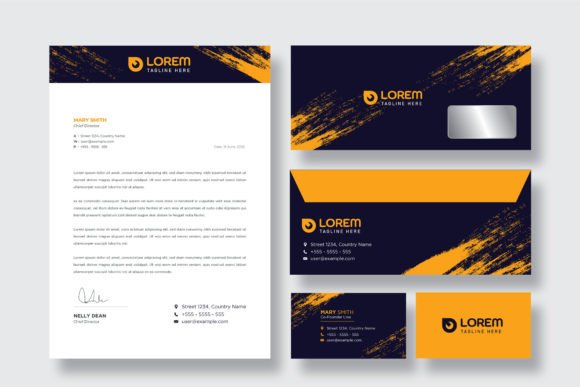
When you think about the tangible touchpoints of your brand, stationery is often the first physical impression a client gets. It’s the business card handed over at a networking event, the letterhead resting on a desk, or the envelope torn open with anticipation. The Stationery Pack Design Layout is more than just a collection of files; it is the blueprint for your professional identity. A clean and modern stationery branding template does something specific: it translates your digital presence into a physical reality that feels intentional and polished. We aren't just talking about slapping a logo in the center of a page. We are talking about a structured layout that balances white space, typography, and graphic elements to create a visual rhythm that guides the viewer's eye.
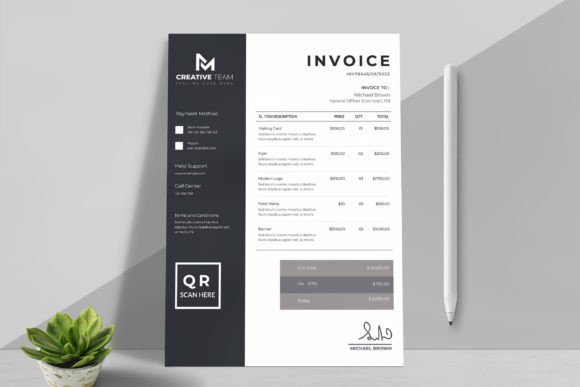
Visual characteristics of a high-quality pack usually lean toward minimalism, but minimalism doesn't mean boring. It means purposeful. A modern layout often utilizes strong grid systems to align text and imagery, ensuring that whether you are looking at an A5 flyer or a standard US Letter invoice, the design feels stable and grounded. The personality of such a template is one of confidence. It doesn't shout; it speaks clearly. This style appeals to businesses that want to project competence and reliability. For entrepreneurs, bloggers, and small business owners, using a layout that is already well-organized takes the guesswork out of design. You aren't trying to invent a wheel; you are refining a vehicle that already works.
Practical Applications Across Industries
One of the strengths of a versatile design layout is its adaptability. Let’s look at where this specific type of asset works best. For a creative agency or a freelance graphic designer, the Stationery Pack Design Layout serves as a canvas. Because these templates are typically delivered in formats like EPS or Illustrator, they offer 100% editability. This means you can dissect the layers, swap out the color schemes to match a specific CMYK palette, and adjust the typography to fit a client's unique voice. The "clean and modern" aesthetic acts as a neutral starting point, much like a white gallery wall, allowing the specific brand content to pop without visual clutter competing for attention.
For marketers and content creators, consistency is the currency of trust. Imagine sending out a media kit to a potential sponsor. If your digital proposal looks like one brand, but your printed follow-up letter looks disjointed, it creates cognitive dissonance. A well-structured stationery pack ensures that your brand identity remains fluid across print design and digital formats. This includes everything from business cards to social media headers. The layout helps maintain a visual hierarchy—prioritizing the most important information (like your contact details or a key tagline) so that the reader engages with the content exactly how you intended.
Small business owners in retail or e-commerce will find this particularly useful for packaging design and customer retention materials. A thank-you card included in a shipment isn't just a piece of paper; it's a touchpoint that encourages a repeat purchase. If that card is cluttered or hard to read, the message gets lost. A clean layout ensures readability. It respects the viewer's time by presenting information efficiently. This is where the difference between an amateur attempt and a professional execution lies. The professional execution understands that negative space is just as important as the ink on the page.
Mastering Typography and Visual Hierarchy
Typography is the voice of your design, and in a stationery context, it needs to be heard clearly. A common feature of premium templates is the inclusion of links to free fonts or recommendations for premium fonts that pair well with the layout. When you are customizing your pack, consider the interplay between a display font for headers and a sans serif font for body copy. A modern layout often pairs a bold, geometric sans-serif with a delicate script font or handwritten font for accents. This contrast creates visual interest and helps establish a hierarchy. The header grabs attention, the sub-header offers context, and the body text delivers the details.
Readability is paramount, especially in editorial design and web design applications. While a decorative serif font might look beautiful on a wedding invitation, it might fail miserably on a dense invoice or a technical proposal. The beauty of a well-organized layout is that it accommodates various font weights and styles. It allows you to use modern typography trends without sacrificing function. For example, using a bold weight for key terms helps scanners—people who skim content—find what they need instantly. This is a practical application of visual hierarchy that drives engagement.
Customizing for Brand Perception
The files included in a professional kit—usually compatible with Illustrator (EPS)—are designed to be edited. This is where you inject your personality. The CMYK color scheme included is a standard for print, ensuring that what you see on screen is what you get in the hand. However, color psychology plays a massive role in perception. A financial consultant might stick to deep blues and grays to convey trust, while a lifestyle blogger might shift the palette to pastels or earth tones to convey warmth and approachability.
Evaluating the fit of a template requires looking at the "bones" of the design. Ignore the placeholder text and logos. Look at the spacing. Is there enough room for your content to breathe? Does the layout support the amount of text you typically produce? For instance, if you write long-form newsletters, a layout with wide margins and single-column text is superior to a cramped three-column brochure layout. This evaluation process is crucial for brand consistency. You want a template that can grow with you, handling different types of communication without needing a complete overhaul every time.
Technical Execution and Final Polish
Finally, the technical side cannot be ignored. A print ready file is non-negotiable for commercial use. This means proper bleed settings, trim marks, and high-resolution assets are already in place. When downloading a pack, checking the documentation is a step many skip, but it is vital. A "Help File" often contains specific instructions on how to change global colors or edit complex vector shapes without breaking the design.
For those working in social media graphics or logo design, the vector nature of these assets is a massive advantage. You can scale elements up for a billboard or down for a favicon without losing quality. This scalability is a hallmark of professional design assets. Whether you are a crafter creating a personal brand or a publisher designing a series of book covers, the underlying grid and layout principles of a modern stationery pack provide a solid foundation. It allows you to focus on your message, knowing the framework holding it up is structurally sound and visually appealing. By respecting the layout and utilizing the editable features, you create a brand experience that feels seamless, professional, and uniquely yours.