Elevate Your Editorial: A Deep Dive into the Sport Magazine Template Design Layout
In the world of publishing and content creation, the difference between an amateur project and a professional publication often lies in the layout. We have all seen it: a magazine or brochure where the text feels cramped, the images are awkwardly cropped, and the overall flow is disjointed. This is where a structured approach to editorial design becomes essential. The Sport Magazine Template Design Layout is not merely a collection of pages; it is a comprehensive system designed to bring order, energy, and high-end aesthetics to your next project. Whether you are a seasoned designer or a small business owner trying to produce a high-quality lookbook, understanding how to leverage a well-organized template can save you hours of frustration and significantly elevate your final output.
The Anatomy of a Dynamic Editorial Design
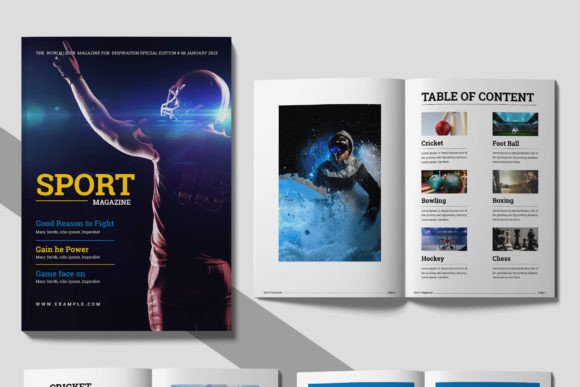
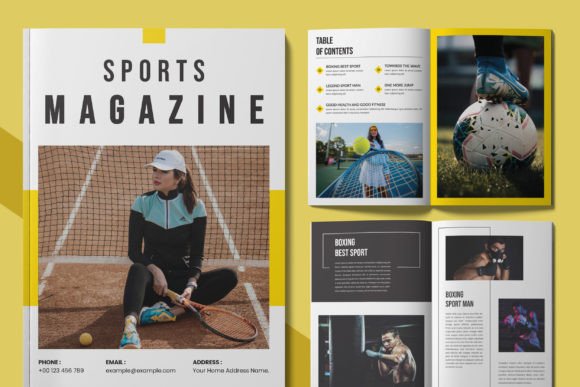
When we talk about the "Sport Magazine" aesthetic, we are referencing a specific visual language that conveys motion, clarity, and modernity. This template design layout captures that essence perfectly. It utilizes a grid system that balances bold imagery with ample white space, ensuring that the reader’s eye is guided naturally from the headline to the body copy. The layout features strong typographic hierarchy, a hallmark of effective modern typography. By using distinct sizes for headers, subheaders, and pull quotes, the design creates a rhythm that keeps readers engaged. It avoids the clutter that plagues many DIY designs, instead opting for a clean, sharp presentation that feels authoritative and trustworthy.
Visual Style and Personality
The personality of this template is professional yet energetic. It does not scream for attention with garish colors or chaotic arrangements; rather, it commands respect through structure. The CMYK color scheme is optimized for print, ensuring that what you see on screen translates accurately to paper—a crucial factor for physical magazines, brochures, or portfolios. The layout is versatile enough to adapt to various niches beyond sports, including lifestyle, business, or technology, provided you maintain the core principles of the grid. It is a clean design that relies on the strength of your content and images, making it an ideal vessel for high-quality photography and thoughtful writing.
Practical Applications: Beyond the Gym
While the name suggests athletics, the utility of the Sport Magazine Template Design Layout extends far beyond sports journalism. Its structure is built for high-impact storytelling, making it suitable for a wide range of creative and commercial applications.
- Corporate Reports and Pitch Decks: For entrepreneurs and marketers, the grid system is perfect for presenting data, case studies, and financial projections. The professional layout lends credibility to your business strategy.
- Lookbooks and Catalogs: Fashion designers and product creators can utilize the large image placeholders to showcase their collections. The layout ensures that product details are clearly visible and aesthetically pleasing.
- Event Programs and Portfolios: Whether you are planning a conference or compiling a creative portfolio, the template provides the necessary structure to organize information logically without sacrificing visual appeal.
- Blog Content and Newsletters: Digital publishers can adapt the layout for PDF downloads or email newsletters, offering a premium reading experience that stands out in a crowded inbox.
Mastering the Workflow: Efficiency and Customization
One of the most significant advantages of using a template like this is the time saved in the production phase. Because the Sport Magazine Template Design Layout is compatible with InDesign (INDD), it integrates seamlessly into professional design workflows. The "well-organized layer" feature is not just a buzzword; it is a functional necessity. When files are properly layered, you can isolate elements, swap images, and change color schemes in seconds rather than hours. This efficiency allows you to focus on the creative aspects of your project—such as selecting the right font pairing or refining your brand identity—rather than wrestling with technical constraints.
Typography and Readability
Typography is the voice of your design, and this template comes prepared with recommendations for free fonts that complement its style. A common mistake in editorial design is choosing fonts that look good individually but clash when used together. The documentation included with this template helps mitigate that risk by pointing you toward typefaces that have been tested within the layout. When selecting your own fonts, consider the hierarchy: a bold sans serif font often works best for headlines to grab attention, while a legible serif font is traditionally preferred for long-form body copy to aid readability. However, modern trends sometimes favor a sans serif for body text for a cleaner, more contemporary feel. The key is consistency; maintaining a uniform typographic style across all pages reinforces your professional image.
Ensuring a Polished Final Product
To get the most out of the Sport Magazine Template Design Layout, you need to approach the customization process with a strategic mindset. Start by reviewing the A4 paper size specifications to ensure your content fits the dimensions correctly. Pay attention to the bleed areas and margins, especially if the final product is intended for print. The "print ready" nature of the file means the technical specifications are already set, but you must ensure your images are high-resolution (typically 300 DPI) to avoid pixelation.
Furthermore, think about the flow of the content. A magazine layout is a journey; the reader should be led from the cover story to the features and finally to the back matter. Use the template’s structure to create visual breaks and pauses, utilizing white space effectively. This not only makes the publication easier to read but also gives it a high-end, boutique feel. By leveraging the 100% editable features, you can tailor every aspect of the design to reflect your unique voice, ensuring that the final product is not just a template, but a true representation of your brand.