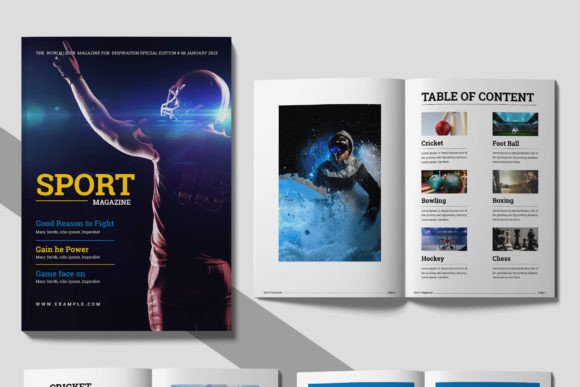
Mastering the Sports Magazine Template Layout
When you open a project file and it feels like a maze, you know you are wasting billable hours just trying to change a headline. As someone who has navigated the trenches of editorial deadlines and client revisions, I can tell you that the difference between a chaotic workflow and a smooth launch usually comes down to the structure of your design assets. The Sports Magazine Template Layout is not just a collection of pages; it is a system built for speed and visual impact. It offers a polished, contemporary aesthetic that respects the urgency of sports journalism while providing the flexibility needed for modern branding. If you are looking for a tool that respects your time, this layout is engineered to be the backbone of your next publication.
The Anatomy of a Professional Editorial Design
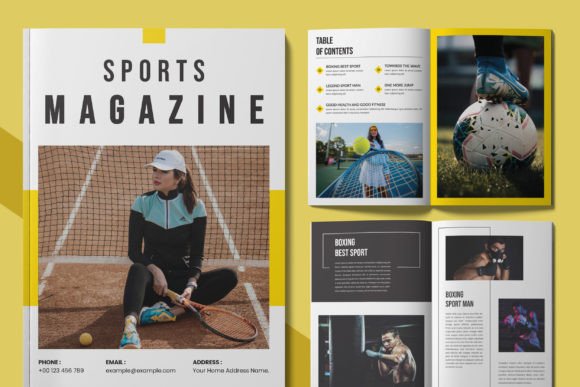
The visual personality of this template strikes a balance between high-energy athleticism and corporate clarity. It avoids the trap of being overly loud or cluttered. Instead, it utilizes a clean grid structure that allows content to breathe. You will notice a strong emphasis on typography hierarchy—large, bold headlines that command attention, paired with readable body text that sustains engagement. The design language speaks to authority; it is the kind of layout you expect from established publishing houses, yet it is modern enough to feel at home on a tablet or a high-resolution screen.
What makes the Sports Magazine Template Layout particularly effective is its versatility. While the name suggests athletics, the underlying design principles are universal. The grid can handle dense text just as well as it handles full-bleed photography. Whether you are designing a quarterly business review, a niche hobbyist zine, or a fitness catalog, the structure adapts. The use of negative space is strategic, guiding the reader’s eye from the primary call-to-action to the supporting details without friction. It is a prime example of how modern typography and layout structure can work in tandem to create a seamless reading experience.
Strategic Applications: Beyond the Locker Room
If you view this template strictly as a sports publication, you are limiting its potential. In my experience, the best design assets are the ones you can repurpose. The Sports Magazine Template Layout works exceptionally well for corporate newsletters that need a bit of punch. Imagine replacing the action shots with dynamic team headshots or product photography. The layout’s inherent energy translates well into brand identity decks for startups or fitness brands.
Consider the world of web design and digital publishing. The column structure of this template is highly compatible with responsive web layouts. You can easily translate the print spreads into a digital magazine format for iPad or desktop viewing. Furthermore, the clean lines make it an excellent starting point for packaging design lookbooks. If you are a small business owner launching a new line of activewear or outdoor gear, using this layout to create a wholesale catalog can significantly elevate your perceived professionalism. It signals to buyers that you are serious about quality.
Design Mechanics and Font Strategy
One of the standout features listed is the use of a free font system. This is a massive win for entrepreneurs and content creators. You do not need a subscription to expensive font foundries to execute this design. However, understanding the typography is key to modifying it effectively. The template likely pairs a strong display font for headers with a legible sans serif font for body copy. This is a classic combination in editorial design because it provides maximum readability.
When you begin customizing, pay attention to the font pairing. If you decide to swap out the typeface, ensure you maintain the visual weight. If the original header font was a heavy slab serif, swapping it for a delicate script font might break the layout’s tension and energy. Keep the hierarchy consistent. Use the premium font aesthetics of the original as a guide. If you are working on logo design elements to place within the magazine, ensure your logo’s typography complements the template’s style rather than fighting it. Consistency is the hallmark of professional print ready materials.
Technical Execution for Print and Digital
Let’s talk specs. The file comes in InDesign (INDD) format, which is the industry standard for a reason. It handles long-form documents far better than Illustrator or Photoshop. The CMYK color scheme is already set up, meaning you are ready for the printer without having to convert color profiles—a common mistake that leads to muddy blues and dull reds.
The A4 paper size is included, which is the international standard, but the well-organized layers make resizing to US Letter or Tabloid sizes relatively painless. Because the layers are named and grouped logically, you can isolate background elements, text boxes, and image placeholders instantly. This easy edit template structure means you spend less time hunting for layers and more time refining your message. For marketers and bloggers who need to produce a quick PDF lead magnet or a digital flipbook, this organization is invaluable.
Practical Tips for Customization
To get the most out of the Sports Magazine Template Layout, start with your imagery. High-contrast, high-resolution photos work best with this style of layout. Grainy or dark images will cheapen the professional, clean design. Next, look at your color palette. While the template comes with a specific scheme, the 100% editable nature allows you to apply your brand colors instantly.
Here is a practical checklist for your workflow:
- Review the Grid: Before placing content, look at the underlying grid. Align your images to these guides to maintain the professional edge.
- Check Readability: If you change the creative font for body text, print a test page. Screen legibility does not always equal print legibility.
- Utilize the Help File: The documentation included is there for a reason. It often contains links to specific free fonts that you might not have installed yet.
Ultimately, a template is a starting point, not the finish line. It provides the structure so you can focus on the story. Whether you are a designer pitching a concept to a sports client or a hobbyist documenting a local league season, this layout provides the professional polish required to make your work stand out on the shelf or the screen.